
Is What Brandon Thinks safe? Here is what happens to your chat
Safety is not a badge we can award ourselves. It is a set of controls you should be able to inspect: what is uploaded, where it is used, how long it remains, and how you can delete it.
Try the free preview
What is uploaded
The supported input is a WhatsApp ZIP export up to 100MB or TXT export up to 25MB, or an iMessage TXT export up to 25MB. Media in ZIP files is removed on your device before upload. The transcript, participant labels and report choices are used to generate the report.
Where AI enters the process
The transcript needed for your requested analysis is sent to the configured AI provider. The product then checks quoted evidence against the uploaded transcript and labels the confidence of each report section. This reduces unsupported claims; it does not make every interpretation objectively true.
Retention and deletion
- No report created: transcript deletion within 48 hours.
- Report created: transcript deletion within seven days of the latest report.
- User control: delete the conversation or report earlier from your account.
- Operational records: account, order and support records may be retained as described in the privacy policy.
Use it responsibly
Ask yourself whether everyone whose messages appear in the export would reasonably expect this use. Remove media and unrelated content. Do not use an AI report to make medical, legal, employment or safety-critical decisions.
Reduce what you expose
Use the shortest representative period that can answer your question. Review participant names and remove unrelated personal details before uploading. Never include passwords, payment credentials, identity documents, health records or information that could put somebody at risk. The service can limit retention and access, but the safest unnecessary data is data you never upload.
Before using a WhatsApp chat analyzer
A chat export can contain information about several people, not just the person uploading it. Before using What Brandon Thinks, decide whether the question is important enough to justify sharing the selected text with an online service. Upload only a conversation you are entitled to use, and consider the expectations and privacy of the other participants.
Choose a representative slice rather than an entire archive when possible. Remove passwords, payment details, identification numbers, health information and unrelated third-party messages. If you cannot safely separate highly sensitive information from the conversation, do not upload it. A manual review on your own device may be a better fit.

What the file-based workflow does
The service starts with the file you choose. It does not require a live connection to your WhatsApp or iMessage account. Supported WhatsApp ZIP exports can be up to 100 MB; supported TXT exports can be up to 25 MB. The upload flow removes media from WhatsApp ZIP files on the device before the transcript is sent.
A text export may still contain names, phone numbers, links and private details. Review the actual file and remove unnecessary information before upload. The report reflects the text and settings supplied, so omitted attachments, calls and in-person events may affect the interpretation.

AI processing and the limits of evidence
The transcript needed to generate a report is sent to a configured AI provider. The application checks report excerpts against the transcript and uses confidence labels to distinguish stronger and more tentative observations. Those controls help readers inspect a finding, but they cannot guarantee that an interpretation captures the full meaning of a conversation.
Read the messages around a quoted excerpt and look for evidence that points in another direction. AI cannot know a person’s private intent or diagnose a condition from a chat. Do not use a report as the sole basis for a legal, medical, employment or safety decision. For serious concerns, seek qualified human help.

Understand application retention and provider processing
The application’s automatic cleanup is designed to delete a transcript within 48 hours when no report is created, or within seven days after the latest report. You can also delete a conversation or report from your account. Reports and operational records are distinct from the transcript; consult the privacy policy for details about account, order and support information.
The application’s deletion window describes its own handling. AI and other service providers may process or retain data under their own policies, so it should not be read as a promise of identical deletion everywhere. If a conversation contains information you cannot share with a provider, keep it out of the upload.
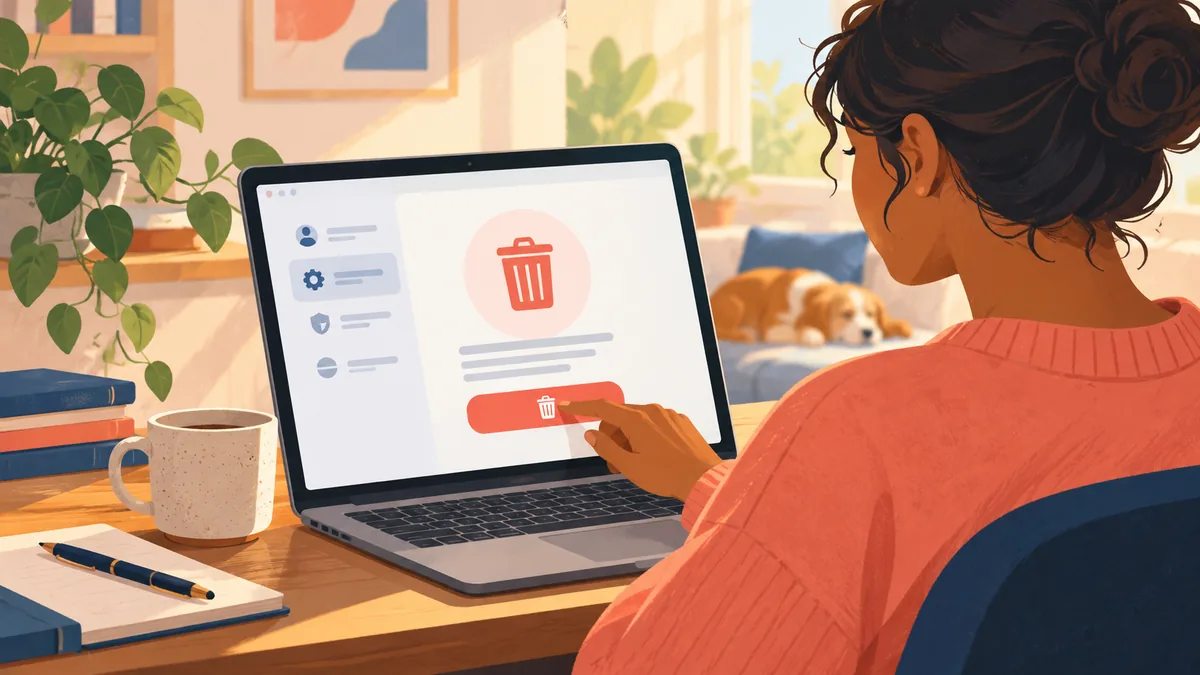
A practical checklist for reading and sharing a report
Check who can see your account and report before sharing a link or a screenshot. A report may contain short excerpts from the conversation, so treat it as private material even after the source transcript is removed. If you no longer need a report, use the account controls to delete it; contact support for a privacy or deletion question.
When discussing a finding with another participant, describe the behavior you observed and invite their perspective. Avoid using a score or a label as proof. A responsible workflow gives people room to correct missing context and decide together what, if anything, should change.

Frequently asked questions
Is What Brandon Thinks safe to use?
The service uses HTTPS, private application storage and limited retention controls, but no online service is risk-free. Remove media, avoid uploading highly sensitive conversations, and only upload chats you are entitled to use.
How long is my chat stored?
A transcript is deleted within 48 hours if no report is created, or within seven days after the latest report. You can delete it sooner from your account.
Is my full conversation made public?
No. Raw conversations are not public pages. The transcript is processed to create the report you request, and only short evidence excerpts appear inside your private report.
Is payment information stored by the site?
Card details are handled by the configured payment provider. The application stores the order and entitlement records needed to deliver the purchase, not your full card number.